Source High Productivity Edamame Sheller Machine for Peas, Mung Beans, and Sesame
Find and compare 30 high productivity edamame sheller machine options from verified suppliers. These units feature vertical structures, stainless steel construction, and peeling rates up to 99% for processing peas, mung beans, and sesame seeds efficiently.
Key considerations
Products List


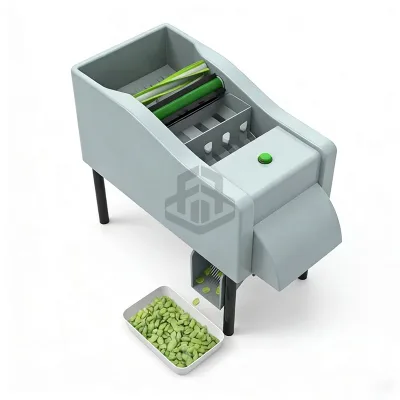
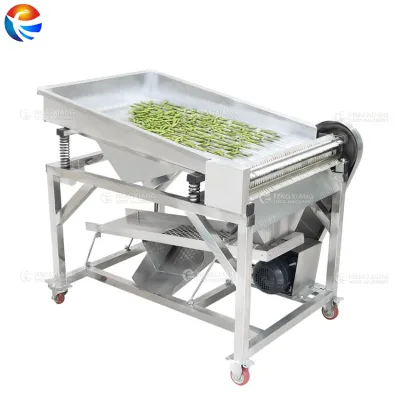


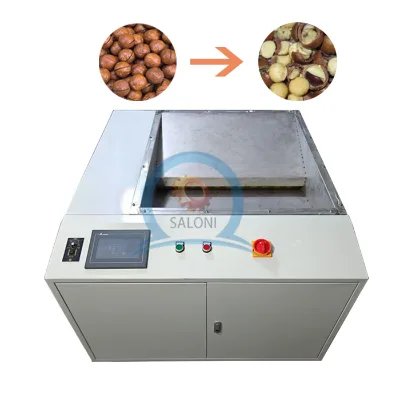


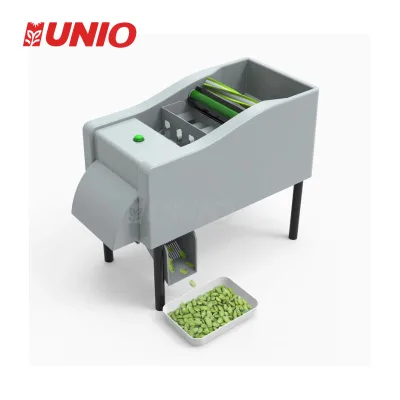

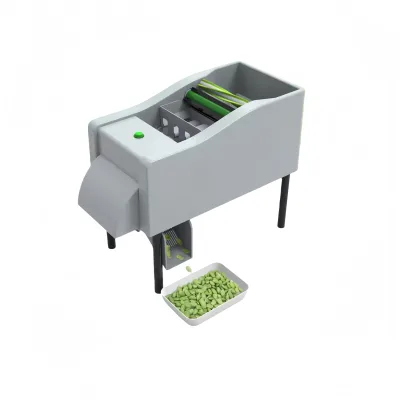
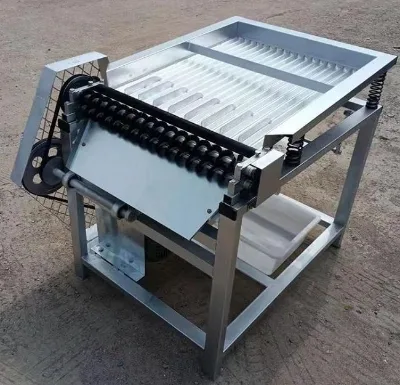


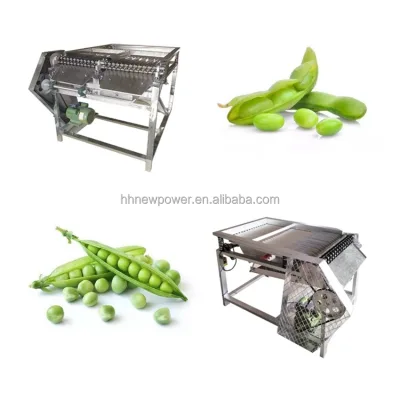
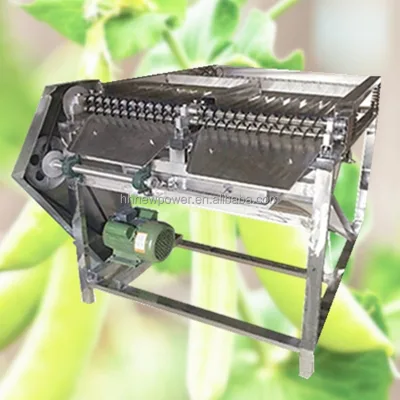
Comprehensive Sourcing Guide
Strategic Sourcing Guide for High Productivity Edamame Sheller Machines
Understanding the Core Technology and Application Scope
When sourcing a high productivity edamame sheller machine, buyers must first distinguish between general pea processing equipment and machines specifically optimized for edamame. The market often lists "Pea/Edamame/Mung Bean" as a unified application category, yet the physical characteristics of edamame—specifically its higher moisture content and delicate pod structure compared to dry peas—require specialized mechanical handling to prevent damage. The observed product data indicates that high-performance units are designed with a vertical structure, which often facilitates gravity-fed processing and efficient separation of the shelled beans from the hulls.
The primary function of these machines is defined as "Peas Sheller" or "Peas Peeling Machine," but for edamame, the process is technically a peeling or shelling operation that must preserve the integrity of the green bean. The observed capacity ranges for these units vary significantly based on the specific model configuration. For instance, certain high-capacity models in the dataset demonstrate a throughput of 200-800kg/H, which represents a substantial volume suitable for commercial food factories. In contrast, other configurations listed for similar applications, such as sesame or peanut processing, show capacities of 300-400kg/H or even 6-10 seconds per piece for coconut deshelling. This variance underscores the necessity for buyers to verify the specific capacity rating against their production line requirements rather than assuming all "pea shellers" operate at the same speed.
The core mechanical design often utilizes stainless steel materials, ensuring compliance with food safety standards regarding hygiene and corrosion resistance. The observed gross weight for these machines ranges from 75kg to 120kg, suggesting a robust build quality that can withstand continuous industrial operation. Buyers should note that while the application is broadly listed as "Soybean" or "Pea," the specific "Edamame" designation requires a machine capable of handling fresh produce without excessive bruising. The vertical structure mentioned in the product attributes is a critical design feature that aids in the separation process, allowing for a more efficient flow of material through the shelling mechanism.
Technical Specifications and Performance Metrics
Evaluating the technical specifications of a high productivity edamame sheller requires a granular look at voltage, power consumption, and peeling efficiency. The standard voltage observed for these industrial units is 220V, which is compatible with many standard industrial power grids, though buyers must confirm local voltage compatibility. The power consumption for specific models, such as those designed for sesame or similar hulling tasks, is listed as 0.75KW. While this specific power rating may apply to a different product line (JW-ZM1100), it serves as a baseline for understanding the energy efficiency of similar-sized machinery in this category.
The peeling rate is a critical performance metric that directly impacts yield and profitability. The observed data indicates a high-confidence peeling rate of 98%-99% for edamame and pea processing machines. Achieving a rate at the upper end of this spectrum is essential for minimizing waste, as edamame is a high-value crop where every lost bean affects the bottom line. However, buyers must understand that this rate is an observation of specific models and not a universal guarantee for every machine in the category. The actual rate will depend on the moisture content of the edamame, the calibration of the machine, and the condition of the shelling rollers or blades.
Capacity is another vital specification. The dataset highlights a capacity range of 200-800kg/H for edamame-specific units. This wide range suggests that manufacturers offer different tiers of machinery, from small-scale processing units to large industrial lines. Buyers must match their expected daily or hourly volume to the correct capacity tier. For example, a facility processing 500kg of edamame per hour would require a machine at the higher end of the observed spectrum. Conversely, a smaller operation might find the 200kg/H models more cost-effective. The physical dimensions of the machines also vary, with standard sizes ranging from compact units like 6506501000mm to larger industrial footprints of 15007501850mm. These dimensions are crucial for factory floor planning and logistics.
Cost Drivers and Procurement Economics
The cost of a high productivity edamame sheller machine is influenced by several factors, including material composition, capacity, and the level of customization available. The observed price range in the market spans from 53 to 7820 USD. This extreme variance indicates that the market includes both entry-level or smaller units and highly specialized, large-scale industrial machines. The lower end of the range likely corresponds to smaller capacity units or those with fewer automated features, while the higher end reflects machines with advanced peeling rates, larger capacities, and more complex vertical structures.
Minimum Order Quantity (MOQ) is another significant economic factor. The observed MOQ for these machines is typically 1 set, which is highly favorable for buyers who may be testing the market or have limited initial capital. This low barrier to entry allows for a more flexible procurement strategy. However, buyers should be aware that while the MOQ is low, the unit price will scale based on the specific configuration and capacity selected. The "Customization" attribute is listed as available for these machines, which can be a double-edged sword. While customization allows for tailoring the machine to specific edamame varieties or production line layouts, it can also drive up the cost and extend the lead time.
The gross weight of the machine, observed between 75kg and 120kg, also impacts shipping costs. Heavier machines require more robust packaging, such as the "Fumigation Free Wooden Case" noted in the product attributes, which adds to the overall landed cost. Buyers should factor in these logistics expenses when comparing the base price of the machine against the total cost of ownership. Additionally, the "Condition" is listed as "New," which is standard for industrial equipment, but buyers should verify the warranty terms and the availability of spare parts, as these are often hidden cost drivers in the long term.
Compliance, Certification, and Safety Standards
In the realm of food processing machinery, compliance with safety and hygiene standards is non-negotiable. The product data explicitly mentions "Stainless Steel" as the primary material, which is a fundamental requirement for food contact surfaces to prevent contamination and ensure ease of cleaning. However, buyers must look beyond the material composition to verify specific certifications. While the background information mentions "Ce" and "ISO 9001:2015" as potential certifications, these are listed as low-confidence background facts and should not be assumed to apply to every listed product without verification.
Buyers should request specific documentation from suppliers to confirm that the machine meets the relevant safety standards for their region. For instance, electrical components must comply with local voltage and safety regulations, especially given the 220V standard observed. The "Core components" of these machines, such as the motor, are critical points of inspection. Buyers should verify the brand and origin of these components, as the quality of the motor directly influences the machine's reliability and longevity. The "FC" brand name is observed in the dataset, but buyers should not assume this is the only or best brand available; rather, they should evaluate the motor's specifications against their operational needs.
Furthermore, the "Standard" dimensions and specifications provided, such as 1018395cm or 15007501850mm, are physical attributes rather than regulatory standards. Buyers must ensure that the machine's design adheres to local occupational safety and health regulations, particularly regarding moving parts and emergency stop mechanisms. The "Fumigation Free Wooden Case" is a positive attribute for international shipping, as it eliminates the need for additional treatment, but it does not replace the need for compliance with food safety certifications like HACCP or local food authority approvals.
Supplier Evaluation and Quality Assurance
Selecting the right supplier for a high productivity edamame sheller machine requires a rigorous evaluation process. The "Product Origin" is listed as "China," which is a common source for this type of machinery, but buyers should not limit their search to a single region. The key is to evaluate the supplier's ability to provide consistent quality and after-sales support. The "Customized" attribute suggests that suppliers are willing to adapt their products, which is a positive sign of flexibility and customer focus. However, buyers must verify the supplier's track record in delivering customized solutions without compromising the machine's performance.
Quality control should be a central part of the procurement process. Buyers should request detailed test results or performance data for the specific model they intend to purchase. While the observed peeling rate is 98%-99%, this should be validated through a factory acceptance test (FAT) or a sample run using the buyer's specific edamame batch. The "Feature" of "High Efficiency" is a common marketing claim, but it must be substantiated by actual performance metrics. Buyers should also inspect the "Gross Weight" and build quality to ensure the machine is robust enough for continuous operation.
The "Condition" of the machine being "New" is a baseline requirement, but buyers should also inquire about the warranty period and the availability of technical support. The "Core components" like the motor should be covered by a warranty, and the supplier should have a clear protocol for handling defects or breakdowns. The "Suitable for" applications listed as "Farm, Food Factory" indicate versatility, but buyers should ensure the supplier has experience serving their specific sector. A supplier with a strong presence in the food factory sector may offer better support for large-scale operations compared to one focused on small farms.
Long-Term Procurement and Operational Considerations
Procuring a high productivity edamame sheller machine is not just a one-time transaction; it is an investment in long-term operational efficiency. The "Capacity" of 200-800kg/H means that the machine can significantly impact the throughput of a food processing facility. However, buyers must consider the scalability of their operations. If production volumes are expected to grow, the chosen machine should have the capacity to handle increased loads without requiring a complete replacement. The "Vertical" structure and "Stainless Steel" construction are design choices that support longevity and ease of maintenance, but buyers should plan for regular maintenance schedules to keep the machine operating at peak efficiency.
The "Peeling Rate" of 98%-99% is a key performance indicator that will affect the overall yield and profitability of the edamame processing line. Over time, wear and tear on the shelling mechanism can reduce this rate, so buyers should evaluate the availability of replacement parts and the ease of maintenance. The "Gross Weight" and physical dimensions of the machine also play a role in long-term operational planning, as they determine the space required and the infrastructure needed for installation.
Finally, buyers should consider the "Customization" options available for long-term adaptability. As edamame varieties or processing requirements change, the ability to modify the machine can extend its useful life. The "Fumigation Free Wooden Case" is a logistical advantage that simplifies future shipping if the machine needs to be relocated. By focusing on these long-term factors, buyers can ensure that their investment in a high productivity edamame sheller machine delivers sustained value and supports the growth of their food processing operations.
FAQs
What is the typical peeling rate for edamame shelling machines?
The observed peeling rate for these machines ranges from 98% to 99%. This high efficiency minimizes waste, though actual performance depends on the moisture content of the edamame and proper machine calibration during operation.
How much capacity can a high productivity edamame sheller handle?
Capacity for these units typically ranges from 200 to 800 kilograms per hour. Buyers must select a model matching their specific production volume, as smaller units may process only 200kg while larger industrial lines reach 800kg.
Can buyers customize the edamame sheller machine specifications?
Yes, customization is available for these machines to suit specific production needs. This allows for tailored configurations, but buyers should verify that customization options do not significantly increase the unit price or extend the delivery lead time.
What is the minimum order quantity for purchasing this machine?
The minimum order quantity is typically one set for these machines. This low entry barrier allows buyers to test the equipment without committing to large bulk orders, making it suitable for both farms and food factories.
Which voltage standard do these edamame processing machines use?
The standard voltage observed for these industrial units is 220V. Buyers must confirm local grid compatibility before purchase, as this voltage is standard for many regions but may require transformers for other electrical systems.
How heavy is the edamame sheller machine for shipping purposes?
The gross weight of these machines ranges from 75kg to 120kg depending on the model. This weight influences shipping costs and requires robust packaging, such as the fumigation-free wooden case noted in product attributes.